Actual Intelligence vs. the Inoperable Rendering
By IDEAS
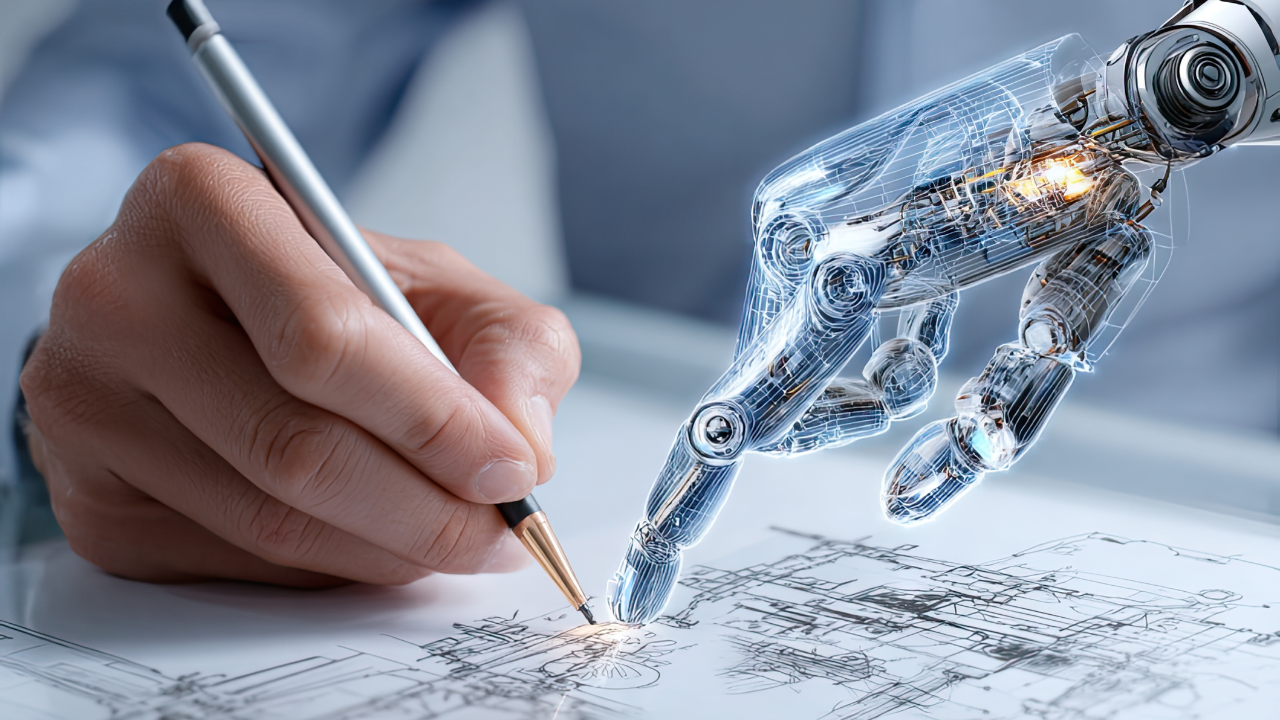
Great design begins with a reality check.
My Project Doesn’t Look Like the Rendering I Approved. What Happened?
You’ve gone through the design steps. You loved the concept. You approved the program. Then you received the 50% CD package, and now you don’t recognize your own project.
Worse yet, the Big Surprise happens during the opening month. It’s just not working. Maybe it’s the lighting, the circulation and wayfinding. The AV integration.
Whatever the root causes, you’re having the uncomfortable realization that what you bought isn’t quite what you received. It’s easy to chalk that up to bait and switch. But in today’s world of smart tools and easy visuals, the line between concept and construct has never been thinner.
If this sounds familiar, you’re not alone. The honest answer is likely a version of “because that concept art was extraordinarily articulate eye candy — without one single oar in the water of reality.”
Even a cursory romp through LinkedIn will convince you that apparently “experience designers” and “master storytellers” populate a sizable percentage of the planet.
We’ll take on the latter some other time. But without naming names or even throwing stones (maybe smallish pebbles), saying it doesn’t make it so. Even doing it doesn’t mean it’ll create audience value on the ground.
[Related: What Does Destination Performance Have To Do With the Performance Playbook?]
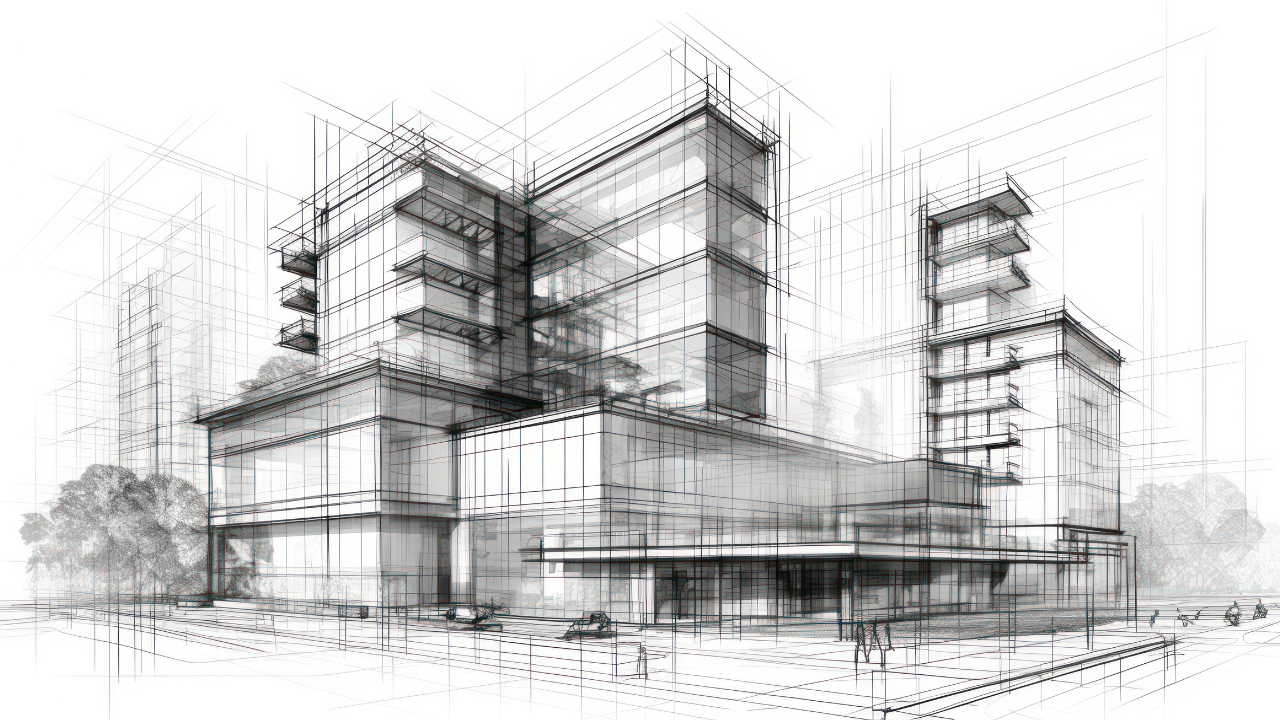
Artificial Intelligence Can Fake a Future. Actual Intelligence Helps Build It.
AI tools can now generate stunning, cinematic images that simulate scale, emotion and possibility. They can shortcut design workflows and present a vision in seconds.
So could generations of CAD tools that came before and, as our team rediscovered last month in the Disney Archives, so could paint and a deftly deployed Blackwing pencil.
Here’s the key: The design tools you use and the work they help you create have to be part of a bigger construct. That construct integrates a ton of factors:
- Market dynamics
- Audience profiles beyond the demographic categories
- Building codes and how much latitude you might get with the right owner’s rep
- Data-supported attendance and price sensitivity
- Concept of operations
- Brand
- A large dollop of “Hey, what if we tried this…?”
That’s where actual intelligence comes in.
[Related: What Is Destination Performance, and Why Does It Matter for Your Attraction?]
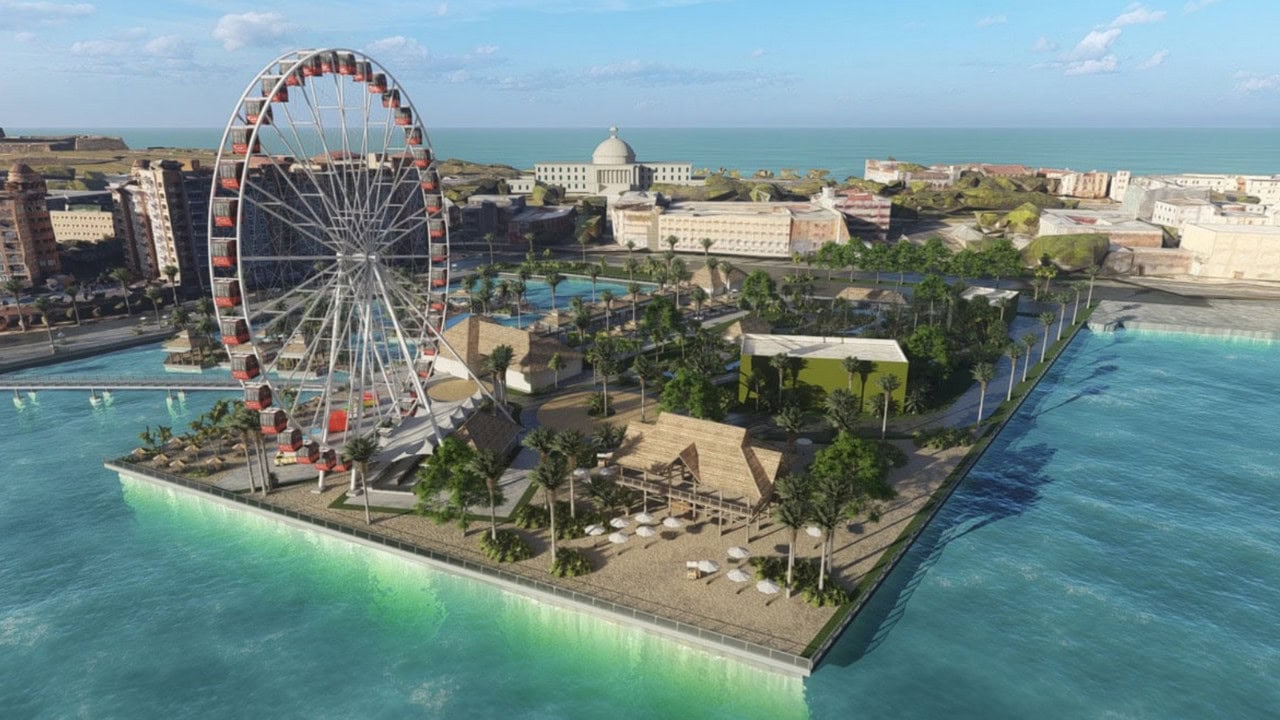
What Is Performance Design?
Performance design is the key to responsible stewardship of your unique vision and intellectual property. It brings together all the capabilities of every technology, from AI, visualization and digital modeling to great pencil sketching and watercolor rendering paintings, employing them with decades of in-the-field experience and production-tested judgment behind them from the very first idea.
The result is design that looks good, knows what it’s doing and why.
Current estimates put the number of synapses in a human brain at around 100 trillion (TRILLION, with a T). Now imagine- the number of possible combinations of those synaptic junctions and the order in which they fire. Math fails. That number, if it exists, is so large as to be meaningless.
Performance Design relies on that system—which by the way is compact enough that the time it takes a signal has to travel from one part to another is astonishingly fast, even limited by the speed of light and it looks like there might be quantum phenomenon at work like particle entanglement and tunneling that make that transmission time 0!

Performance Design in Practice
Performance design is audience-centered, telling your story to your audiences in a way that’s tuned to be emotionally powerful and operationally achievable.
It’s data-driven, using primary consumer research to build accurate attendance, revenue and cost models to identify a range of supportable investments built on your return on capital targets.
Finally, performance design is always story-based because that magic construct is native food for the human mind. From a well-built narrative, we can imagine, model, simulate, test and deliver a panoply of possibilities. And the final product is a distinctively branded, efficiently operable, endlessly repeatable experience.
Making a good-looking picture takes artistry and mastery of the tools. Making a design that opens on time, is under budget, earns five-star reviews and beats the pro forma? That’s the hard part.
[Related: The Optimization Opportunity: Why Destination Performance Is the New Growth Strategy]

Why It Matters
A gorgeous concept image can unlock funding, generate press and energize stakeholders — not a bad thing. But if it can’t survive first contact with the rigors of design/build/operate, it’s just beautiful fiction.
In the hypercompetitive 21st-century experience-based entertainment market, guest expectations are high. Attention spans are short. Price/value expectations are tighter than ever. And social media backlash is instant.
All things considered, consistent and sustainable performance isn’t optional: It’s everything.
IDEAS Can Help Turn Actual Intelligence Into Performance Design
Let’s design something that performs with actual intelligence. Our team would love to speak with you about your vision and goals.
Contact us anytime, and explore our work (the proof is in the pudding).
About the Author: IDEAS